
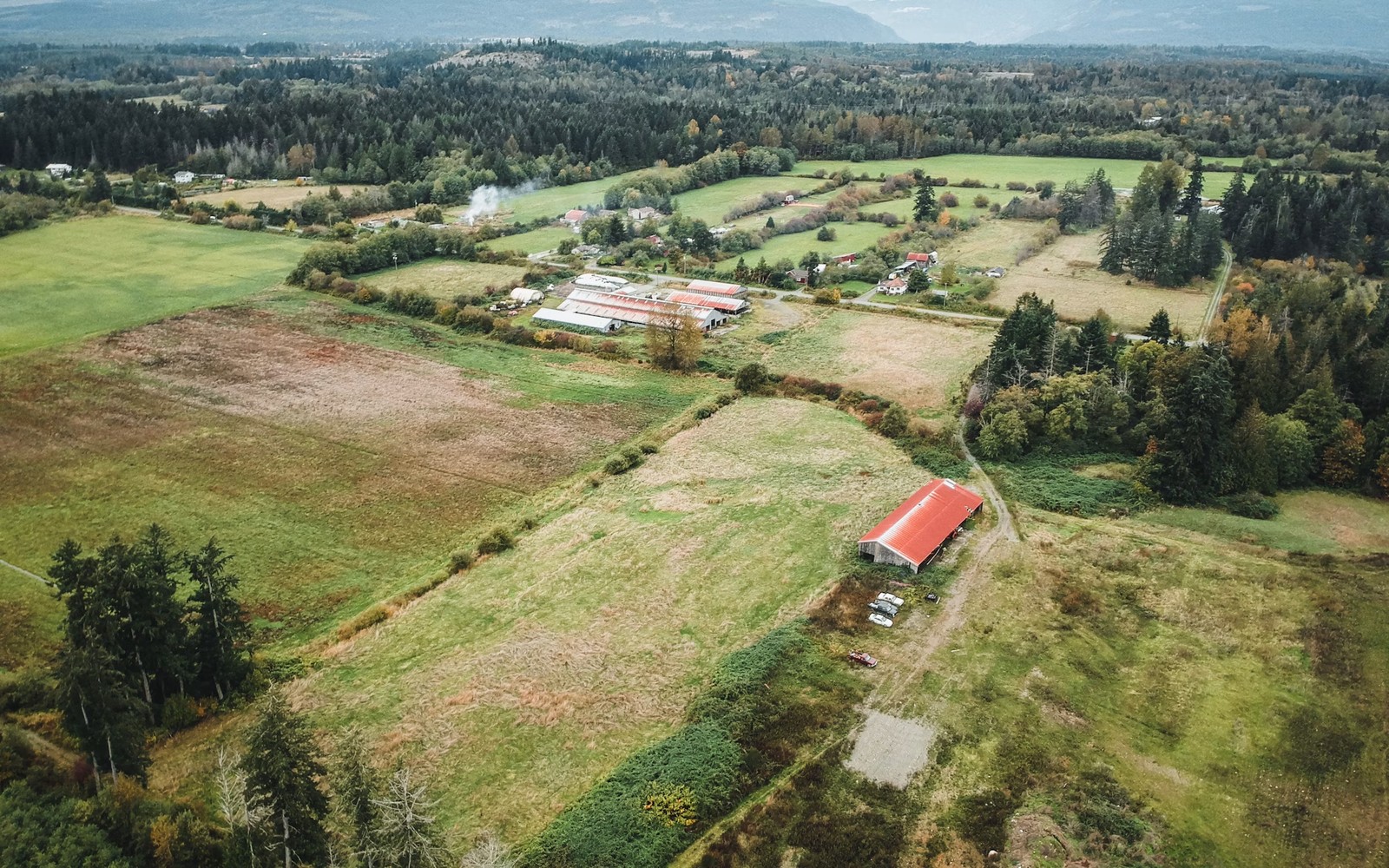
Leased but Undrilled
You took a bonus payment, signed the lease, and nothing has been drilled yet — that in-between position still has documentable value.
Leased-but-undrilled is one of the more misunderstood positions title specialists see. Owners assume that because there's no well and no royalty check yet, there's nothing to sell or nothing worth valuing. In reality, a signed lease with a defined term, a bonus already paid, and acreage sitting inside or near an active permitting area in Lea or Eddy County carries real value, even before the first well is spud.
What matters is what the lease actually says — the primary term length, any extension or delay rental provisions, and how much time is left before it expires — plus what's happening around you. A lease with three years left in an area where offset operators are actively permitting reads very differently than one nearing expiration in a quiet part of the county.
Reading your specific lease terms
Every leased-but-undrilled file starts with the lease itself: primary term, whether delay rentals or shut-in payments are required to keep it alive, and whether there's a Pugh clause limiting how much acreage stays held if only part of the unit is developed. These terms determine how much runway the operator has before the lease lapses back to you unleased, and that runway is a real part of what a value range accounts for.
Title specialists also check whether the lease has already been extended once, since operators sometimes pay a second bonus to extend a term rather than let it expire, which itself signals continued interest in the acreage.
What nearby activity tells title specialists
Title specialists pull OCD permit filings for the surrounding sections to see whether operators are actively drilling, permitting, or just holding the area quietly. A lease sitting inside a township where three or four horizontal permits were filed in the last year is positioned very differently than one where the last permit nearby was years ago — even though your own tract shows identical lease paperwork in both cases.
This offset activity, more than the bonus you were originally paid, is usually the better indicator of what's likely to happen with your specific acreage next, and it's part of what title specialists look at before discussing a range.
Weighing a sale against waiting for the well
Some owners prefer to hold and wait for a well, since production income can exceed a lump-sum sale over time if drilling happens and the well performs well. Others would rather take a documented value now rather than carry the uncertainty of whether, when, or how a well gets drilled — leases do lapse, and undrilled acreage in a slower part of the play can sit for years.
Title specialists lay out both the near-term sale range and what's reasonably knowable about drilling likelihood from the permit activity around you, so the choice is informed either way — not a guess about what happens next.
Title specialists also check whether your lease includes a Mother Hubbard or similar cover-all clause, and whether it was ever amended to add pooling language after the original signing, since some older New Mexico leases needed a later amendment before they could be pooled into a modern horizontal unit at all. A lease that hasn't been amended for pooling, sitting in an area operators are actively developing, sometimes needs that fixed before a well can be permitted on your specific unit.
Send the county, legal description, owner name, operator or payor, and any patent, deed, lease, division order, royalty statement, probate record, trust record, communitization agreement, or written offer already available.