
Sell Mineral Rights in Artesia, NM
Artesia has been an oil town since the 1920s, and a lot of the mineral interests title specialists see here carry three or four generations of paper behind them.
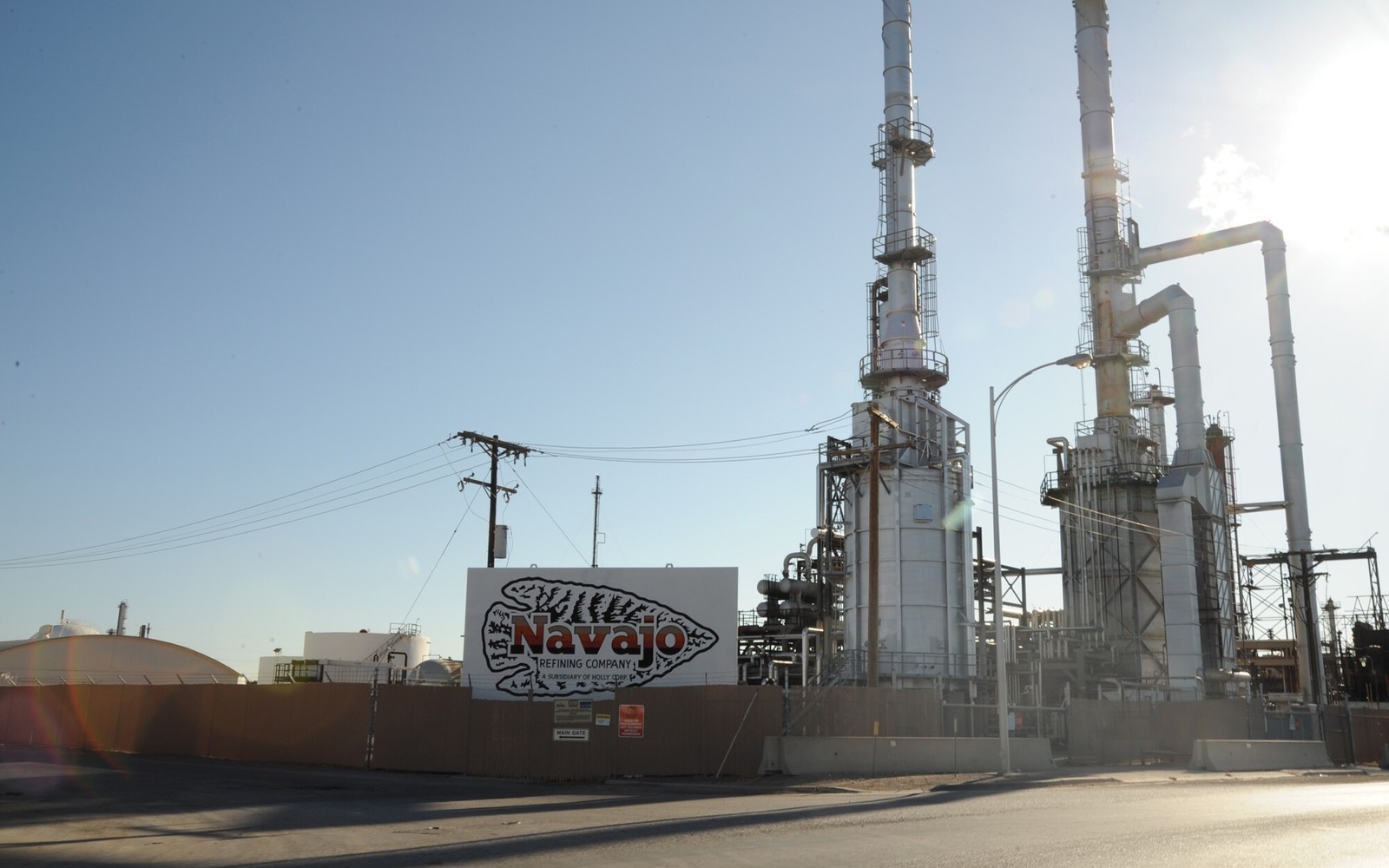
Eddy County is core Delaware Basin, and Artesia is one of its working towns — refineries, service companies, and a courthouse full of oil and gas filings going back a century. Interests in and around Artesia are often smaller fractional pieces today than they were originally, split by inheritance across children and grandchildren, sometimes with a name or two nobody can locate anymore.
A century of paper in one abstract
Because Artesia's oil history is so old, a typical mineral tract here has more instruments in its chain of title than a newer play would — the original 1920s or 1930s reservation, a 1950s oil and gas lease, maybe a 1970s partition among heirs, and current-day pooling or unitization orders layered on top. Title specialists read that whole stack before quoting so the offer reflects your real decimal interest, not a guess from the deed's face amount.
Heirship is the norm, not the exception
Most Artesia-area interests title specialists buy are held by several heirs jointly rather than one owner outright. That's fine — title specialists can buy just your undivided share, and title specialists verify each co-owner's percentage against the courthouse record so nobody's interest gets over- or under-counted.
What drives value here
Whether a tract is in an active Delaware Basin spacing unit with recent horizontal completions, or sits in an older, quieter block with mostly conventional history, changes what a fair offer looks like, and it can vary noticeably from one section to the next even within Artesia's immediate area. Title specialists look at the specific tract's recent activity and royalty history rather than quoting a flat per-acre number for the whole county.
Start the Ownership File With the Recorded Chain
Each tract is reviewed from the earliest available patent, deed, mineral reservation, probate instrument, trust instrument, or corrective conveyance forward to the current record owner. The place name helps orient the search, but the file is controlled by the county, legal description, recording references, and the exact interest shown in each instrument. The abstract separates a family recollection from a recorded right, notes missing links, and identifies the document needed to connect an heir, trustee, entity, or prior owner before acreage or sale value is discussed.
Identify the Mineral Estate Beneath the Tract
New Mexico land in this area can involve private fee minerals, federal minerals, state trust acreage, tribal trust land, allotted interests, railroad-grant history, or more than one estate within the surrounding checkerboard. Those categories do not carry the same ownership record, lease system, or transferable rights. County clerk instruments support private title, while federal, State Land Office, and trust records answer different questions. The review names the applicable estate first and avoids treating nearby public or trust acreage as evidence that a privately conveyable mineral interest exists on the owner’s tract.
Place the legal description inside the active record map
The record review converts the deed description into section, township, range, quarter calls, lots, or other controlling calls, then compares that tract with available spacing, pooling, unitization, communitization, lease, and well records. A nearby rig, permit, or royalty statement is useful only when the legal description connects the owner’s tract to the same participating area. This step also distinguishes a town or mailing address from the mineral tract itself, resolves similarly named communities, and records any county-line, depth, formation, or unit boundary that changes how the interest participates.
Reconcile ownership and the paid decimal
For producing or previously producing interests here, the title file compares the recorded fraction, net mineral acres, tract participation, unit participation, lease royalty, burdens, division order, and recent statements. A mismatch can come from title, a later conveyance, an amended unit, an operator setup issue, or an incorrect assumption about the rights conveyed. Undeveloped interests are documented separately because they do not have a paid decimal or check history to support an income comparison. The resulting worksheet shows which numbers are recorded facts, which require confirmation, and which should not be carried into an offer.
Define the exact interest that could close
A transaction involving this tract should end with a written scope that matches the abstract: owner name, county, legal description, depths, fraction, effective date, included proceeds, excluded rights, title requirements, and any reservation. The proposed deed, assignment, closing exhibit, settlement statement, tax forms, and payment instructions should describe that same verified interest. If probate, heirship, trust authority, a prior conveyance, a lien, or an operator record remains unresolved, the file states the curative item instead of hiding it inside a reduced number. Clear scope lets an owner compare keeping, selling part, or conveying the full verified interest.
Send the county, legal description, owner name, operator or payor, and any patent, deed, lease, division order, royalty statement, probate record, trust record, communitization agreement, or written offer already available.